Uncovering the Link between GLP-1 and Food Preference
Background
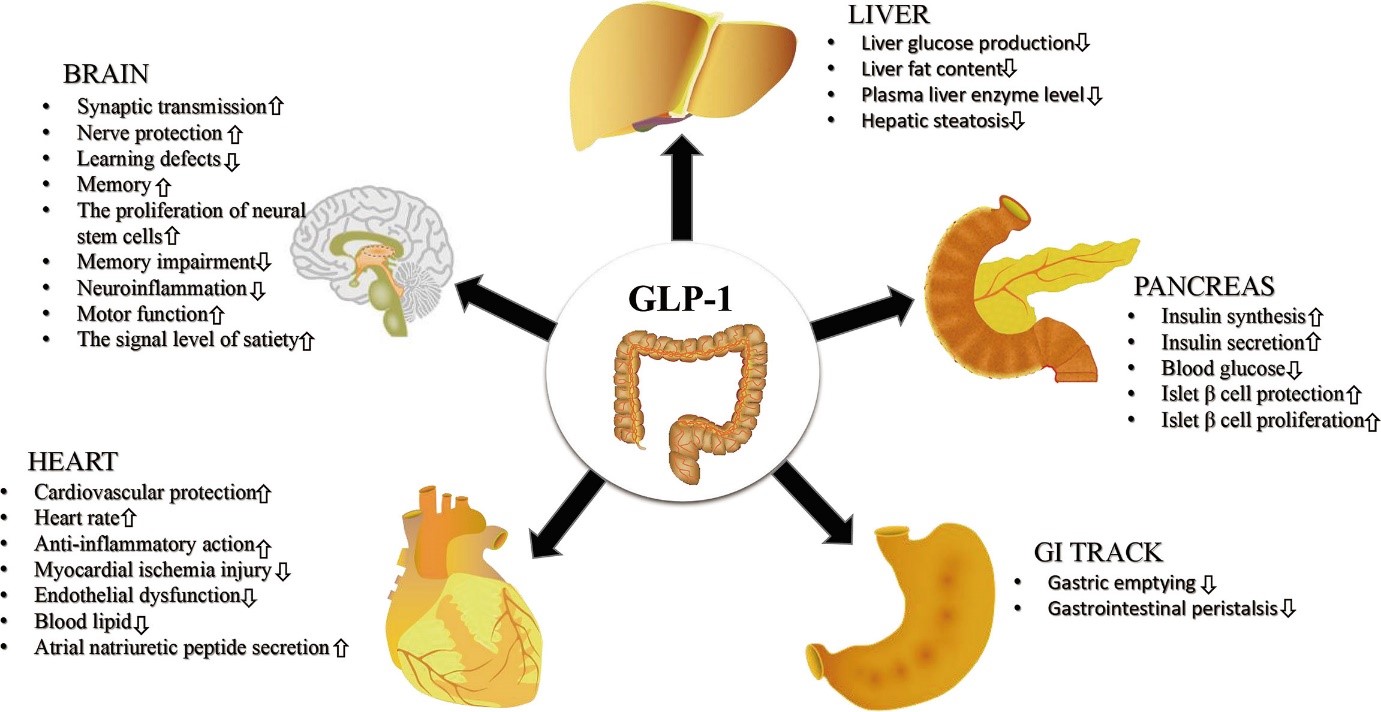
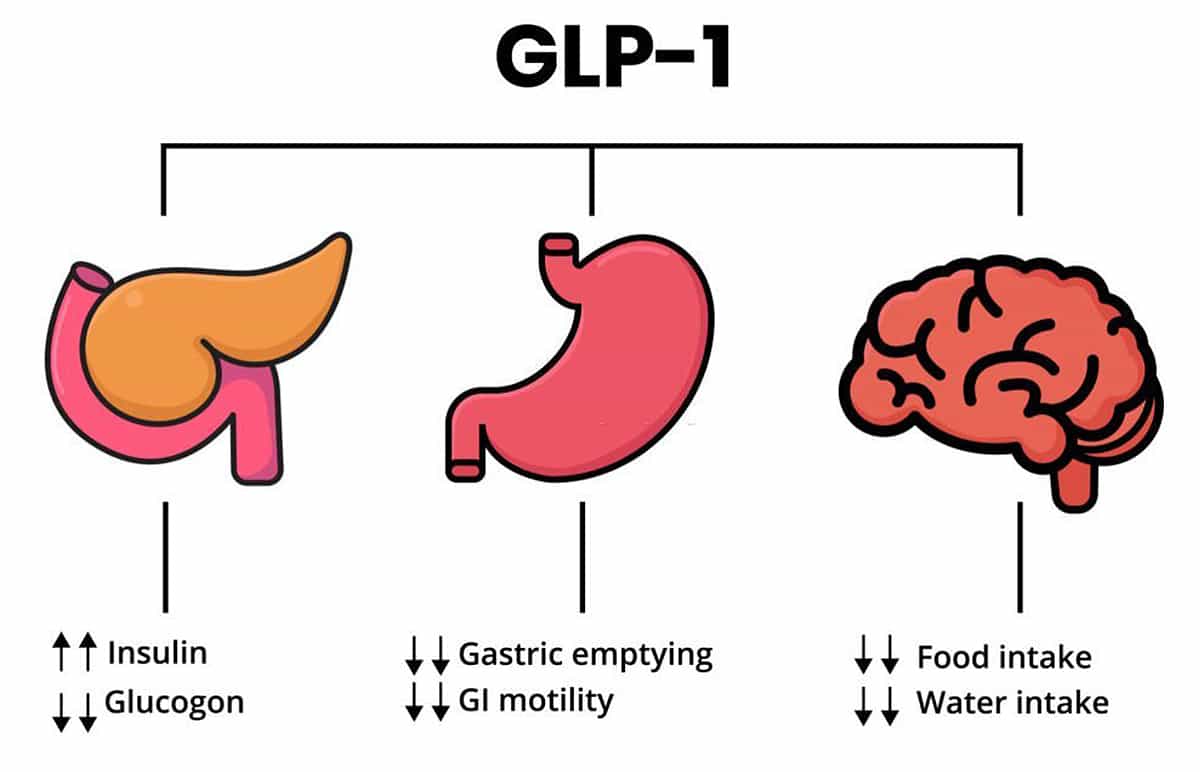
GLP-1 is an incretin hormone that plays a crucial role in regulating glucose metabolism and appetite. Secreted by L cells in the intestine, GLP-1 responds to food intake by stimulating insulin secretion and suppressing glucagon levels. In individuals with obesity or type 2 diabetes, GLP-1 levels are often reduced, contributing to impaired glucose metabolism and increased food motivation.
GLP-1 and Food Preference: The Emerging Connection
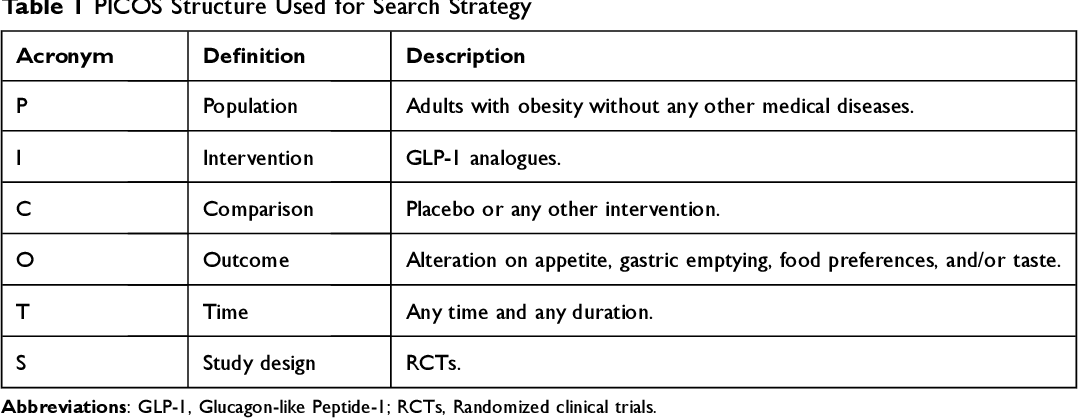
Studies have shown that GLP-1 analogs can alter food preferences and reduce food intake in individuals with obesity. One of the primary mechanisms underlying this effect is the activation of GLP-1 receptors in the brain, which modulates food reward and motivation. By influencing the brain's reward circuitry, GLP-1 analogs can reduce the appeal of high-energy dense foods and promote a preference for nutrient-dense options.

Impact on Food Preferences
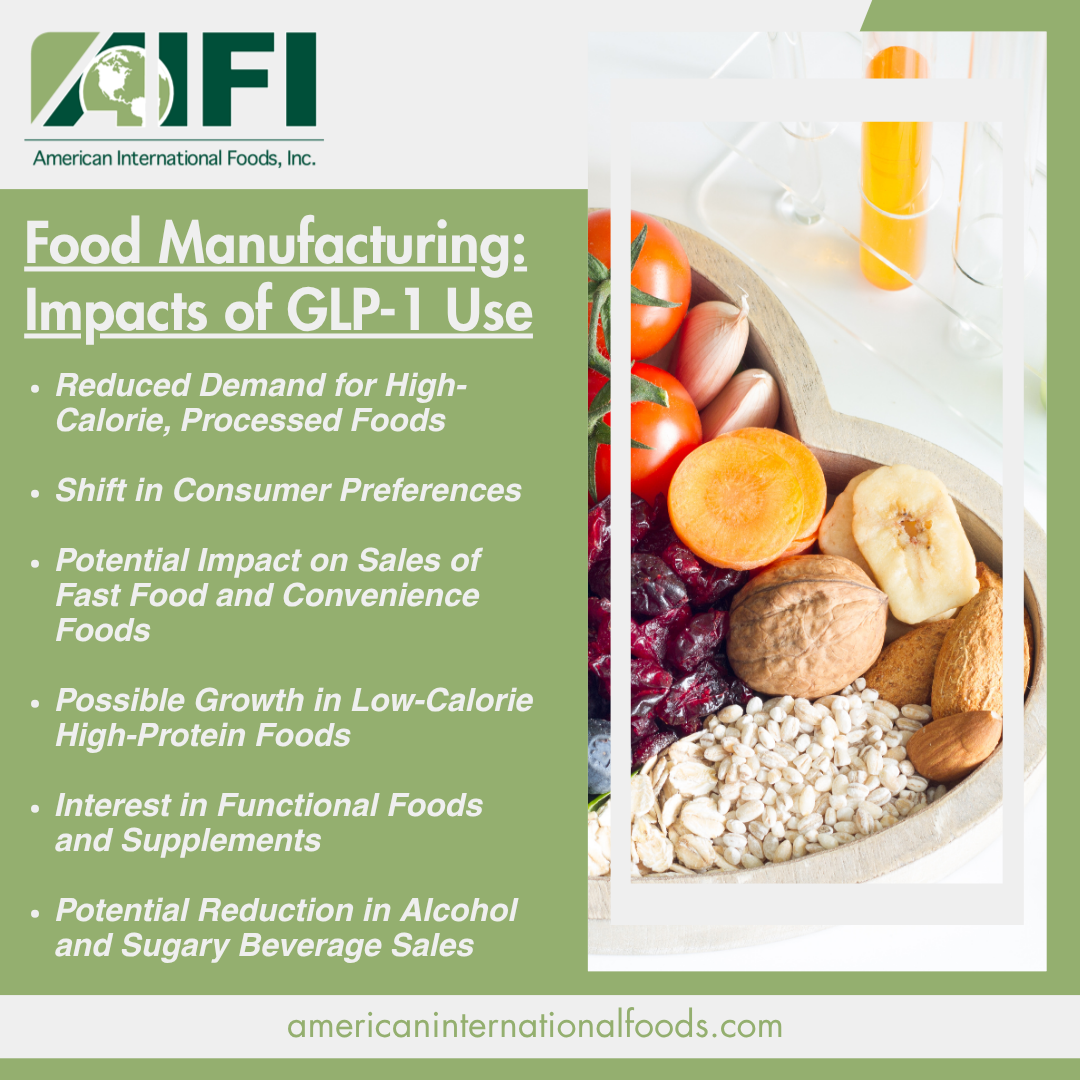
- Reduced cravings for high-fat and high-sugar foods
- Increased preference for protein-rich and fiber-rich foods
- Shifts in taste and texture preferences towards healthier options
- Changes in food reward and motivation, leading to reduced food intake
GLP-1-Friendly Foods: A New Wave of Products
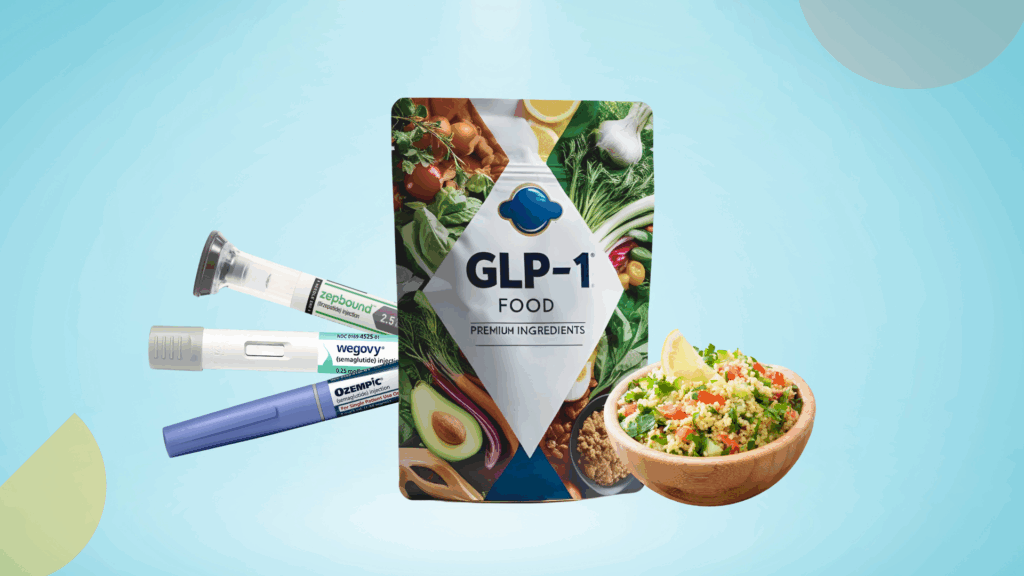
As more individuals turn to GLP-1 agonists for weight loss and obesity management, food manufacturers are developing products that cater to this growing market. Labeling products as "GLP-1-friendly" has become a common practice, with companies positioning their offerings as suitable for individuals on GLP-1 medication. These products often feature low glycemic index ingredients, reduced sugar content, and balanced macronutrient profiles.

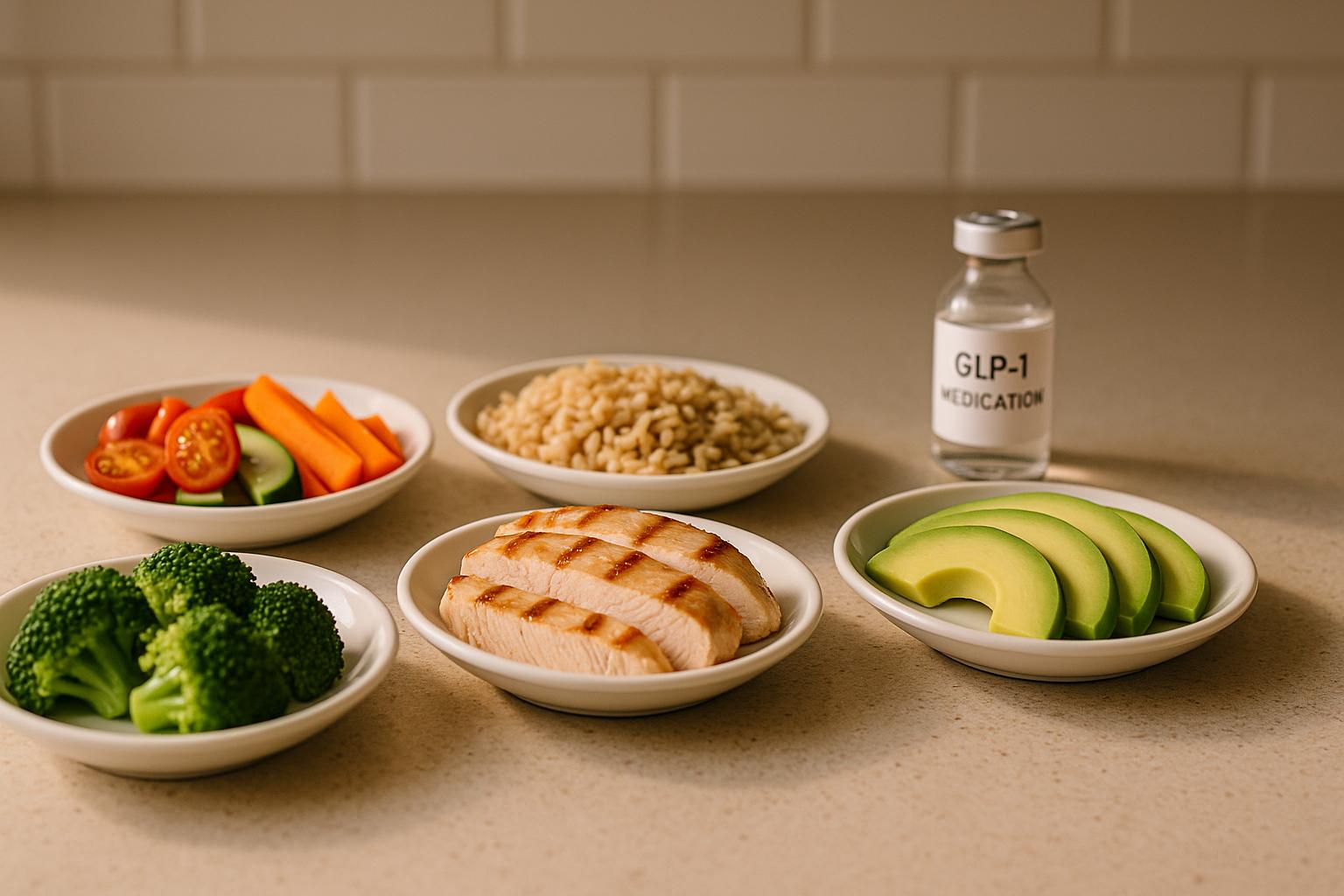
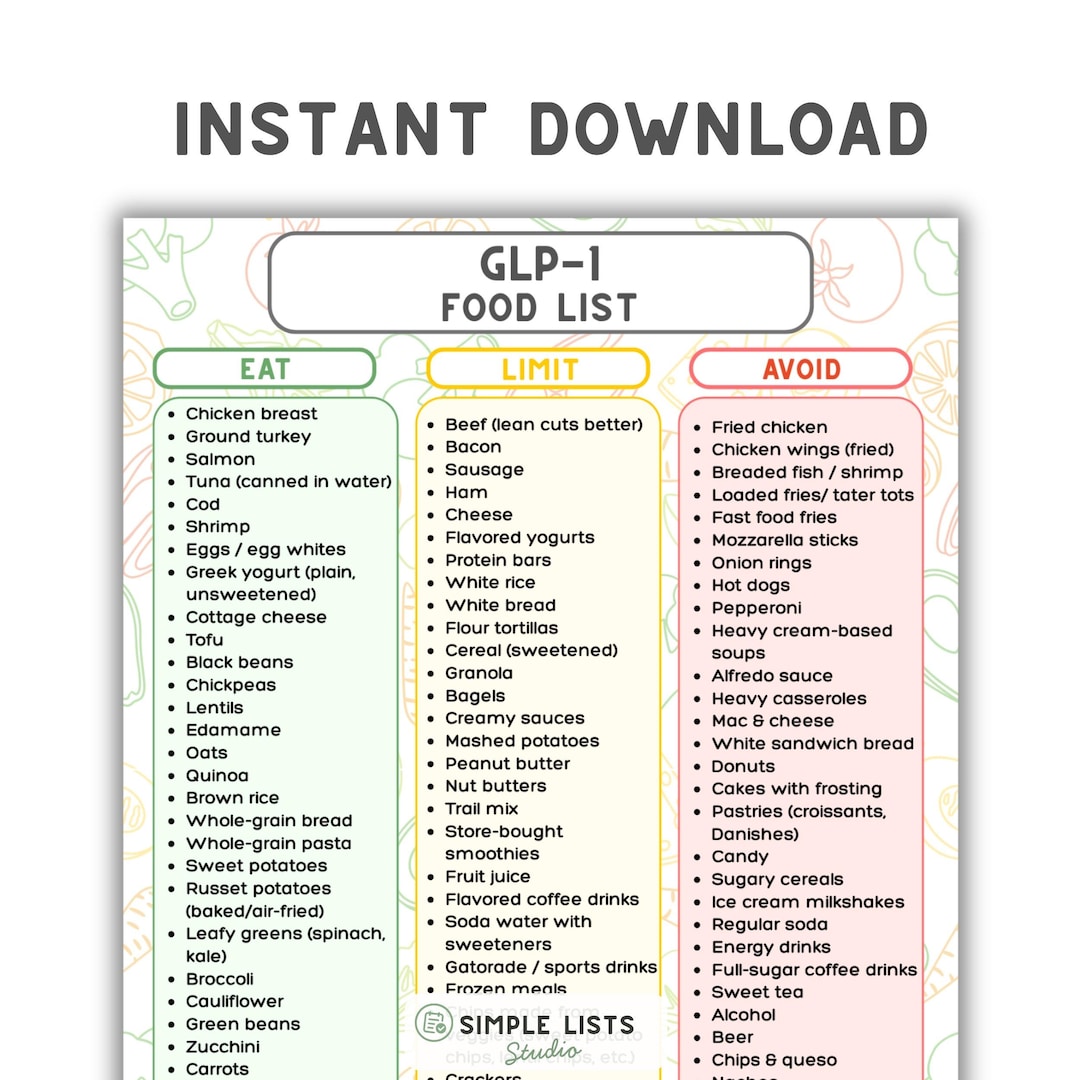
While GLP-1 agonists are effective in reducing food intake and promoting weight loss, it's essential to maintain a balanced diet that incorporates a variety of whole foods. A GLP-1-friendly diet should focus on nutrient-dense foods, such as fruits, vegetables, lean proteins, and whole grains, and limit processed and high-energy dense foods. Proper hydration and a consistent meal schedule can also help maximize the benefits of GLP-1 medication.
Conclusion
The relationship between GLP-1 and food preference is complex and multifaceted. By understanding the mechanisms underlying this connection, researchers and healthcare professionals can develop targeted interventions to promote weight loss and improve glycemic control in individuals with obesity or type 2 diabetes. As the use of GLP-1 agonists continues to grow, it's essential to stay up-to-date with emerging research and trends in this rapidly evolving field.
References
*Adrien AE et al. (2022). GLP-1 analogues and their potential impact on food preferences in obesity. Journal of Obesity, 2022, 1–8. *Maruyama K et al. (2022). GLP-1 receptor signalling and food reward in the brain. International Journal of Molecular Sciences, 23(11), 6594. *Kessel TD et al. (2022). The potential role of protein supplements in individuals taking GLP-1 medications. Journal of the International Society of Sports Nutrition, 19(1), 1–8.