The Digital Divide: A Multifaceted Issue of Inequality
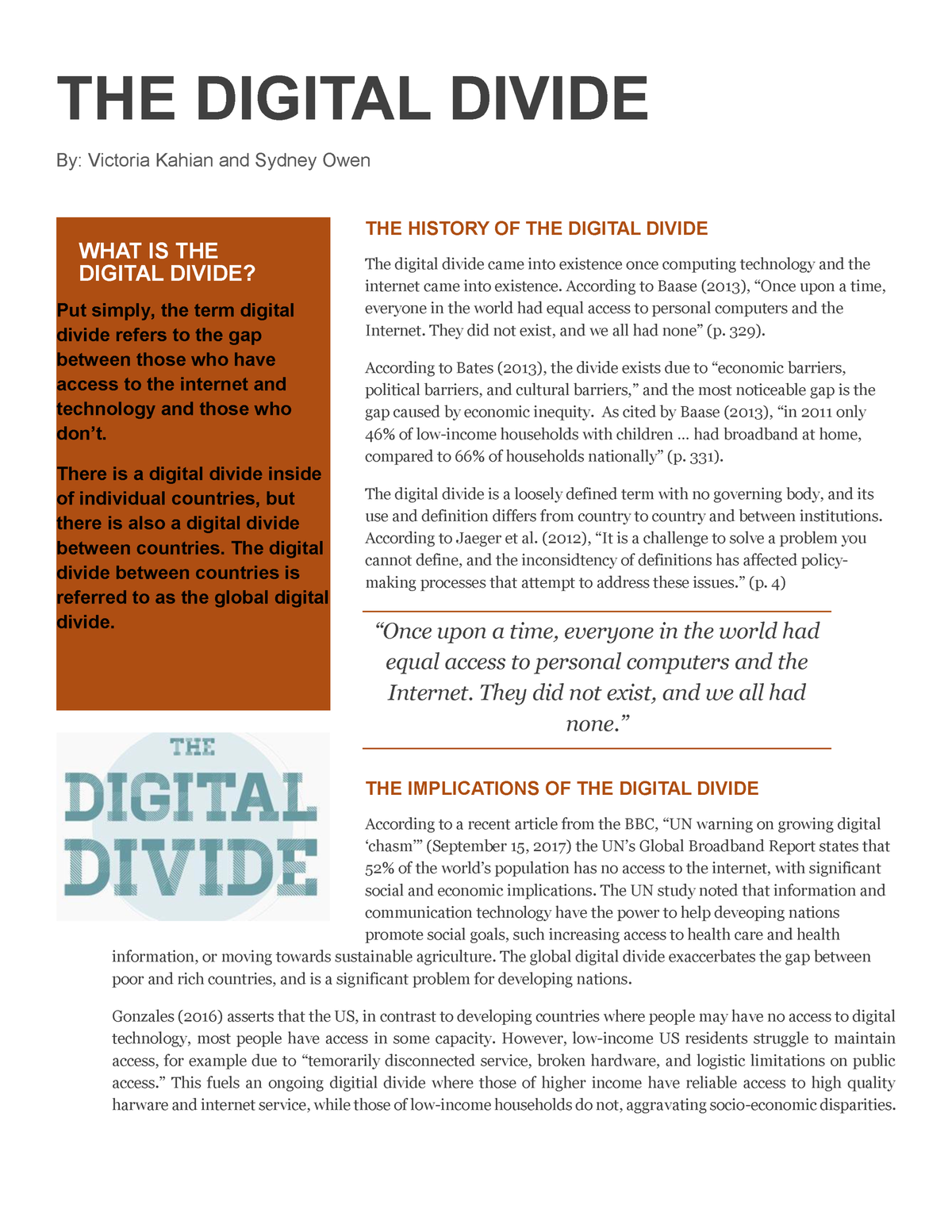
The concept of the digital divide has been understood as a complex problem encompassing various dimensions, including physical access, the quality and affordability of access, the suitability of devices, and the digital skills needed to navigate the online world effectively.
At its core, the digital divide refers to unequal access to and use of digital technology, which includes four interrelated dimensions: motivational, material, skills, and usage access. This inequality in access to information and resources exacerbates existing social disparities, ultimately limiting opportunities for individuals and communities.
Physical Access: The Foundation of Digital Inequality
Physical access to digital technologies is a fundamental aspect of the digital divide. The lack of reliable and affordable internet connectivity, as well as inadequate digital infrastructure, prevents many individuals and communities from accessing the online world.
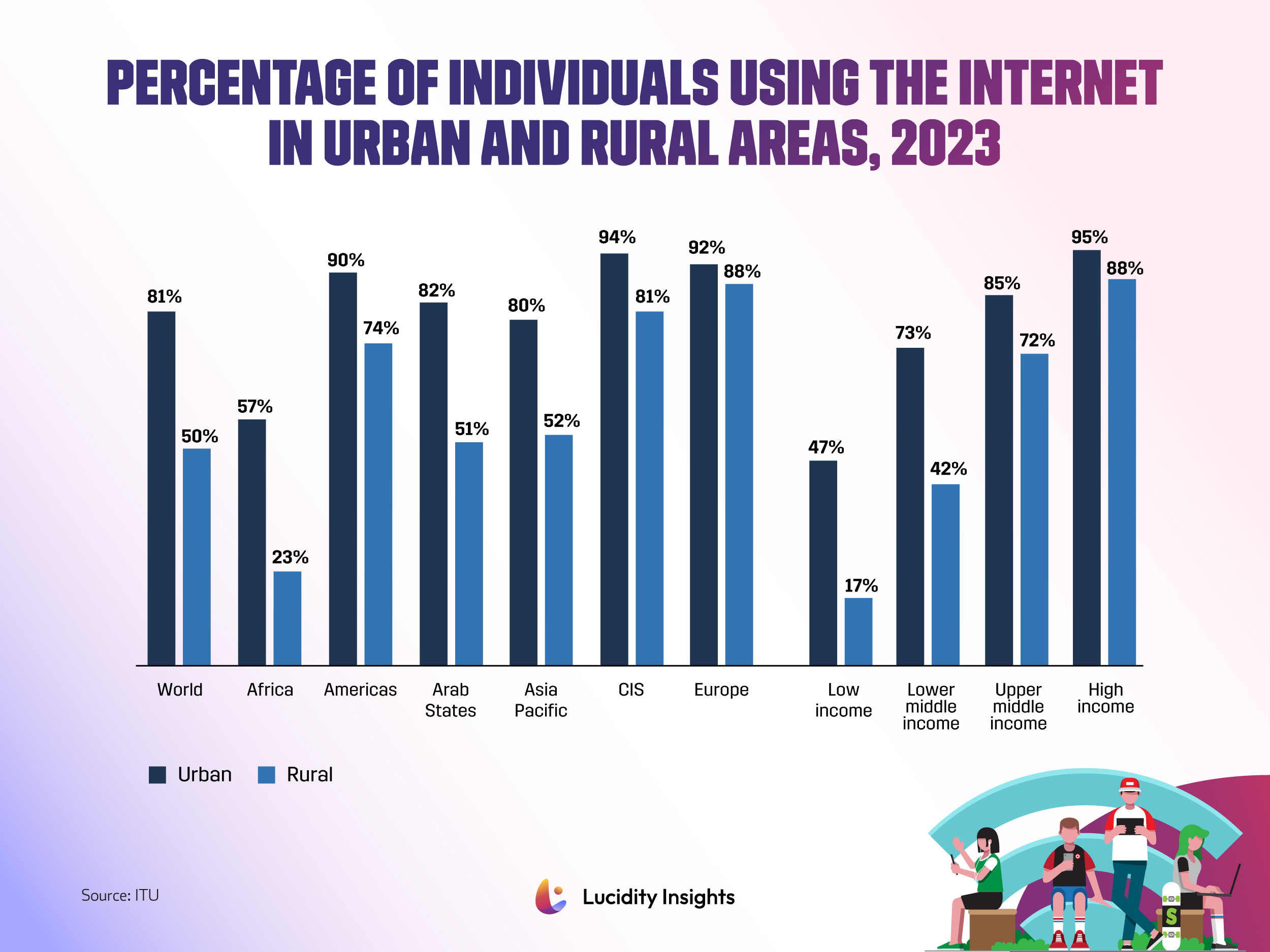
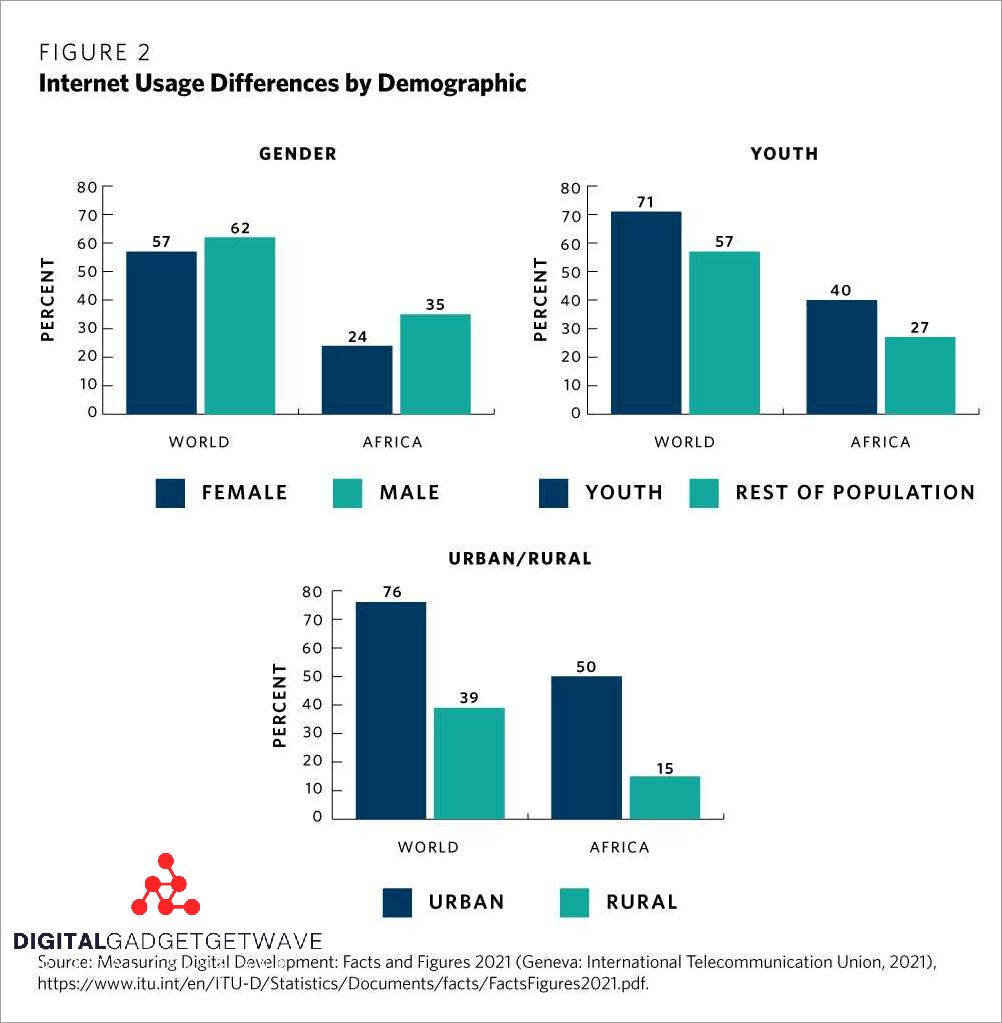
- According to the United Nations, approximately 3.8 billion people around the world have limited or no access to the internet.
- Many rural and remote areas face significant barriers in accessing digital technologies due to lack of infrastructure, poor connectivity, and limited access to digital devices.
The Four Dimensions of the Digital Divide
The digital divide encompasses four interconnected dimensions: motivational, material, skills, and usage access.
1. Motivational Dimension: The Will to Access Digital Technologies

This dimension examines the motivations and willingness of individuals to access digital technologies. Factors such as socioeconomic status, education level, and cultural background influence a person's motivation to engage with digital tools.
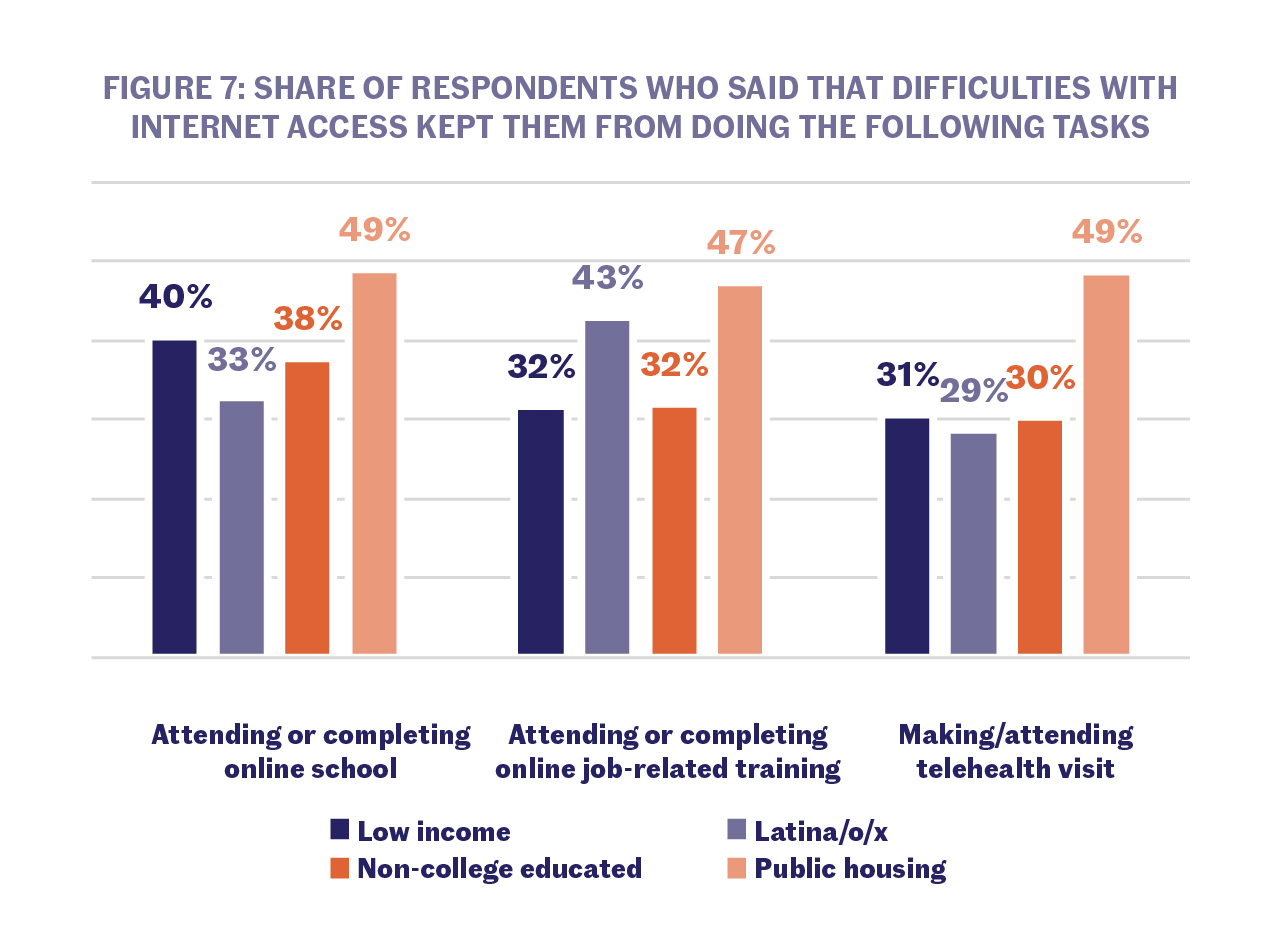
- Low-income households are less likely to have access to digital technologies, as they often face economic constraints and prioritize essential expenses over digital tools.
- Individuals with limited education and digital literacy skills may feel overwhelmed by the complexity of digital technologies, reducing their motivation to access them.
2. Material Dimension: The Availability of Digital Devices and Infrastructure
This dimension focuses on the availability of digital devices, infrastructure, and connectivity. Inadequate physical facilities, poor network coverage, and limited access to devices hinder the effective use of digital technologies.
- Many communities lack access to public Wi-Fi, making it difficult for residents to access digital resources and services.
- The high cost of digital devices, especially in developing countries, creates a significant barrier for individuals seeking to access digital technologies.
Interventions aimed at bridging the material dimension should prioritize device donations, networking initiatives, and affordable digital infrastructure projects.
This dimension emphasizes the importance of digital literacy skills, internet safety, and technology proficiency in utilizing digital technologies effectively.
- Individuals without basic digital skills struggle to navigate online resources, potentially widening the digital divide.
- Lack of digital literacy skills exacerbates existing social disparities, limiting opportunities for education, employment, and economic growth.
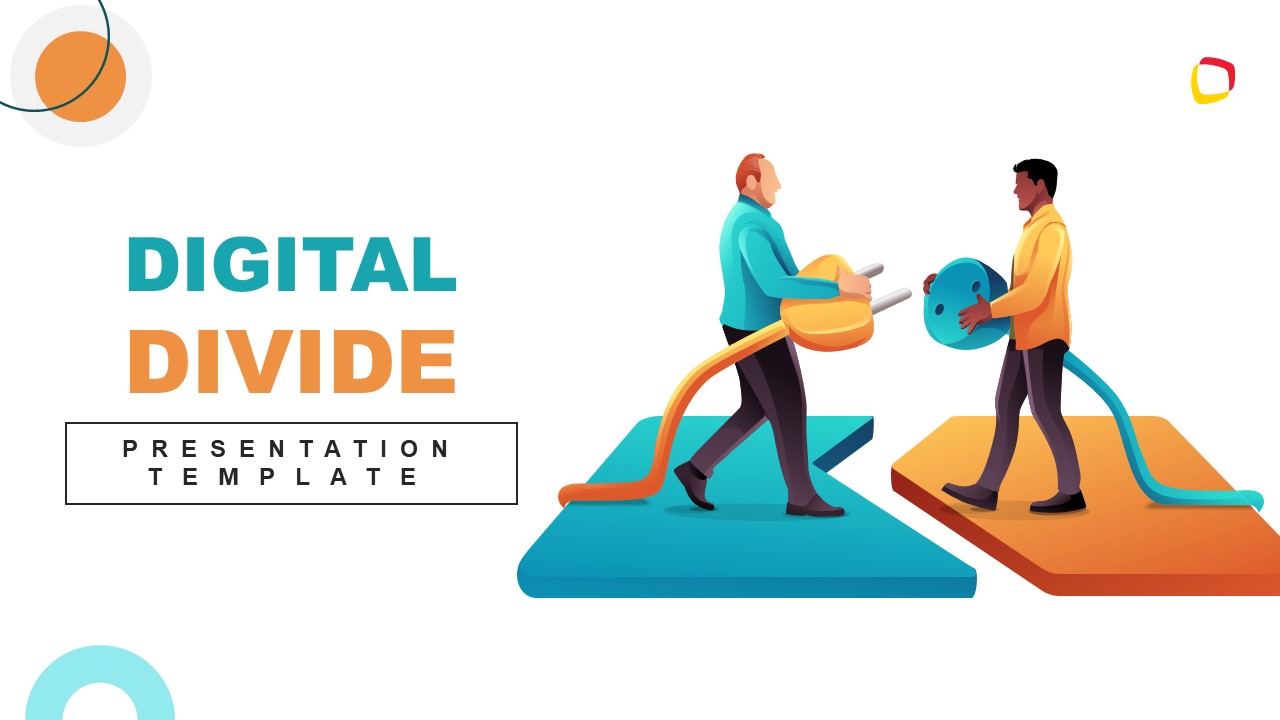
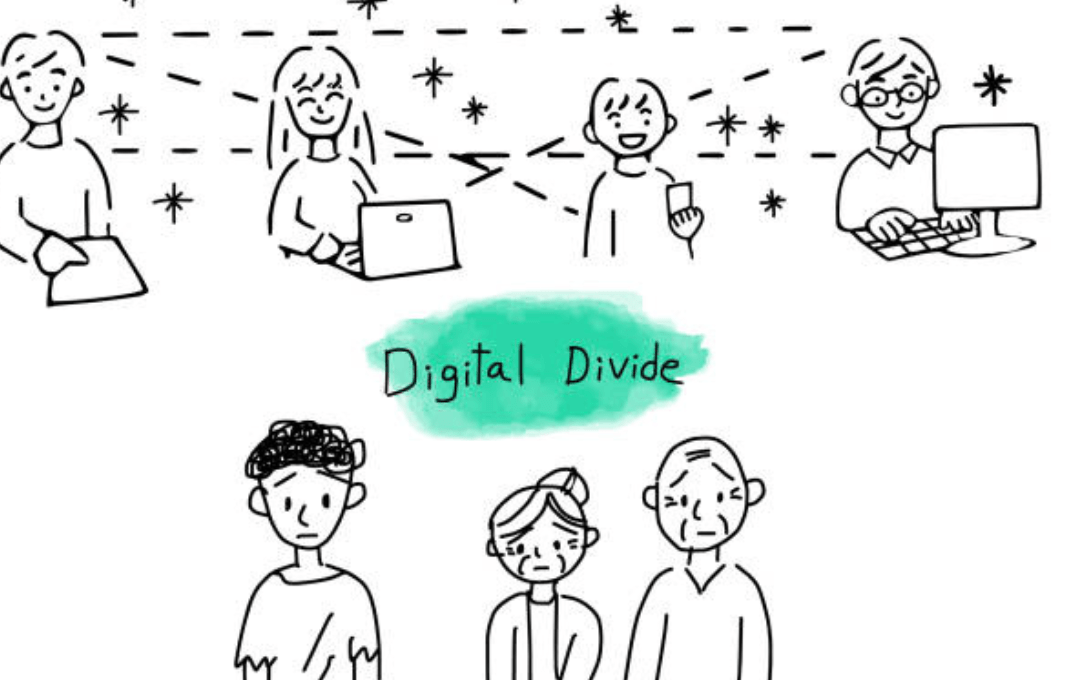
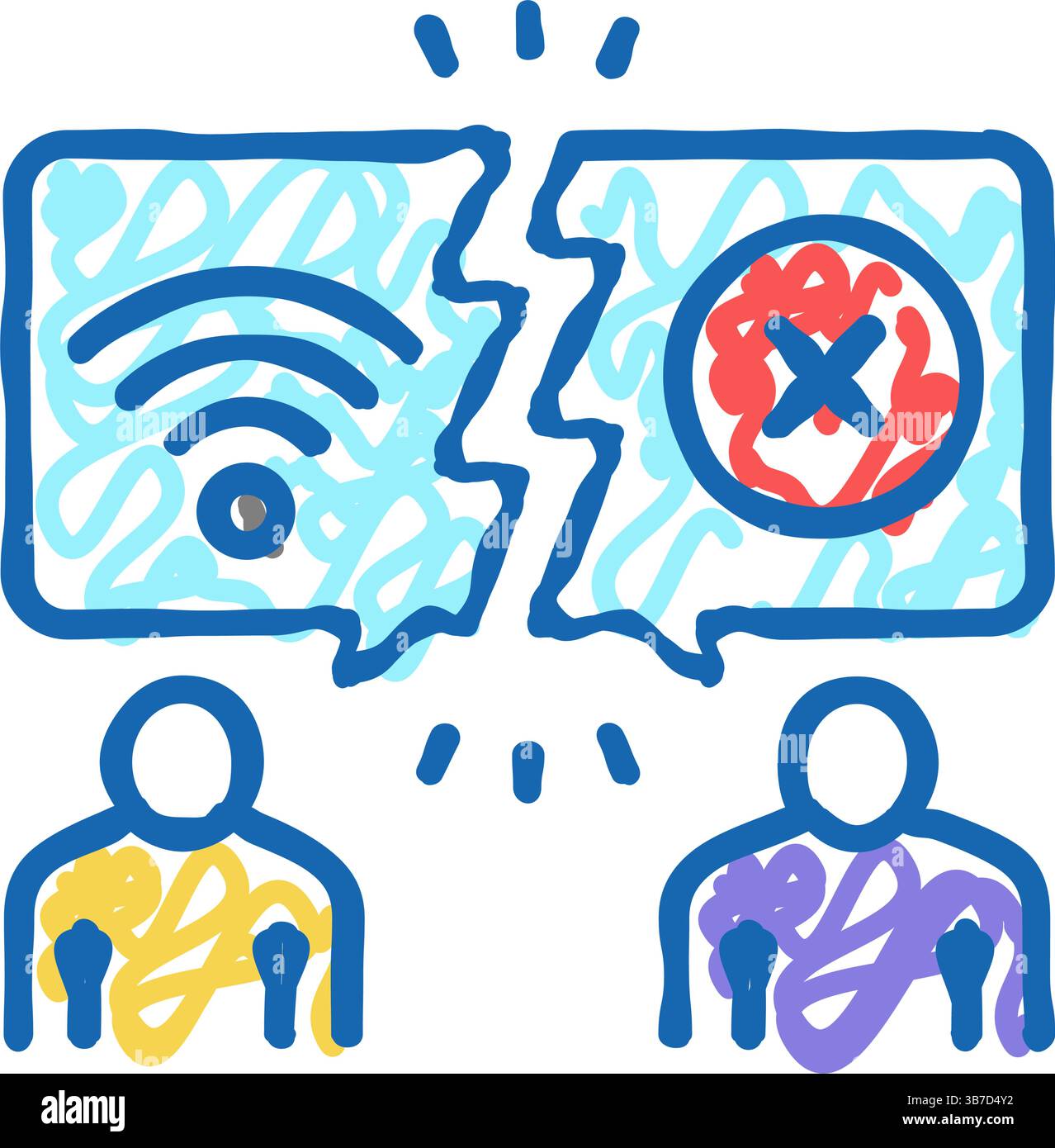
As we can see from the illustration, Digital Divide has many fascinating aspects to explore.
Addressing the skills dimension requires training programs, workshops, and community-based initiatives focusing on digital literacy, internet safety, and technology training.
4. Usage Dimension: The Frequency and Effectiveness of Digital Engagement
This dimension assesses the frequency and effectiveness of digital engagement, encompassing online activities and digital resource utilization.
- Individuals who regularly engage with digital technologies report higher levels of social inclusion, education, and economic participation.
- Those with limited digital usage experience feel disconnected from the online world, perpetuating the digital divide.
Interventions aimed at bridging the usage dimension should prioritize regular exposure to digital technologies, ensuring that individuals develop effective skills and habits in digital engagement.
Breaking Down the Digital Divide
Breaking down the digital divide requires a multifaceted approach addressing the physical, motivational, material, skills, and usage dimensions. Communities, governments, and organizations can work together to provide accessible and affordable digital infrastructure, awareness-raising initiatives, digital literacy training, and inclusive programs promoting social inclusion and economic growth.
Overcoming the digital divide is a complex challenge requiring sustained efforts from varied stakeholders. By addressing the various dimensions and working collaboratively, we can bridge the gap between those who have access to digital technologies and those who do not, ultimately promoting digital inclusion, reducing inequalities, and fostering a more connected and equitable society.