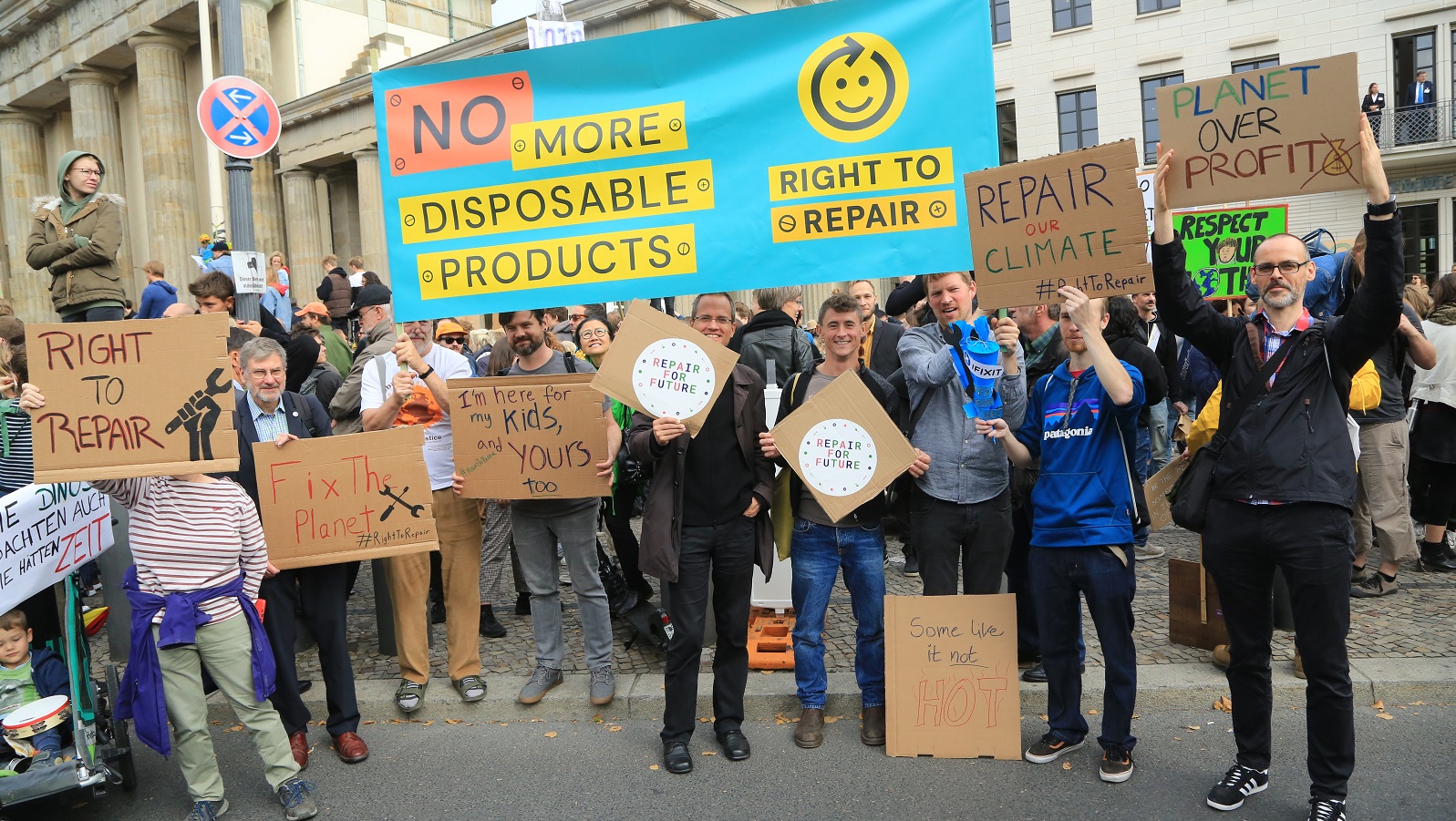
The Right to Repair: A Growing Movement and Its Impact on Consumers
The "right to repair" is a legal principle that has been gaining momentum in recent years, with many countries and states adopting laws and regulations that favor consumer choice and sustainability. At its core, the right to repair is the legal right for owners of devices and equipment to freely modify and repair the products they have purchased, without relying on the manufacturer's maintenance services or facing restrictions on access to tools and components.
History of the Right to Repair Movement
The right to repair movement has been around for decades, but it gained significant traction in 2020 with the passage of the Motor Vehicle Owners' Right to Repair Act in Massachusetts. This law requires automobile manufacturers to provide open access to their vehicle design schematics and other repair information, making it easier for vehicle owners and third-party repair shops to complete necessary repairs. Since then, several states have followed suit, adopting similar laws and regulations that support the right to repair.
Benefits of the Right to Repair

- Increased consumer choice and control over their devices and equipment
- Reduced electronic waste and pollution through extended product lifespan
- Lower repair costs for consumers and independent repair shops li>Encourages innovation and competition in the repair industry
Challenges to the Right to Repair
While the right to repair movement has gained momentum, it still faces significant challenges from manufacturers, who argue that it would compromise their intellectual property and business models. Manufacturers have also been accused of denying consumers access to repair information and tools, making it difficult for independent repair shops to operate. Additionally, some manufacturers have implemented software barriers that lock devices and make it difficult for third-party repair shops to access repair information.
Examples of the Right to Repair in Action
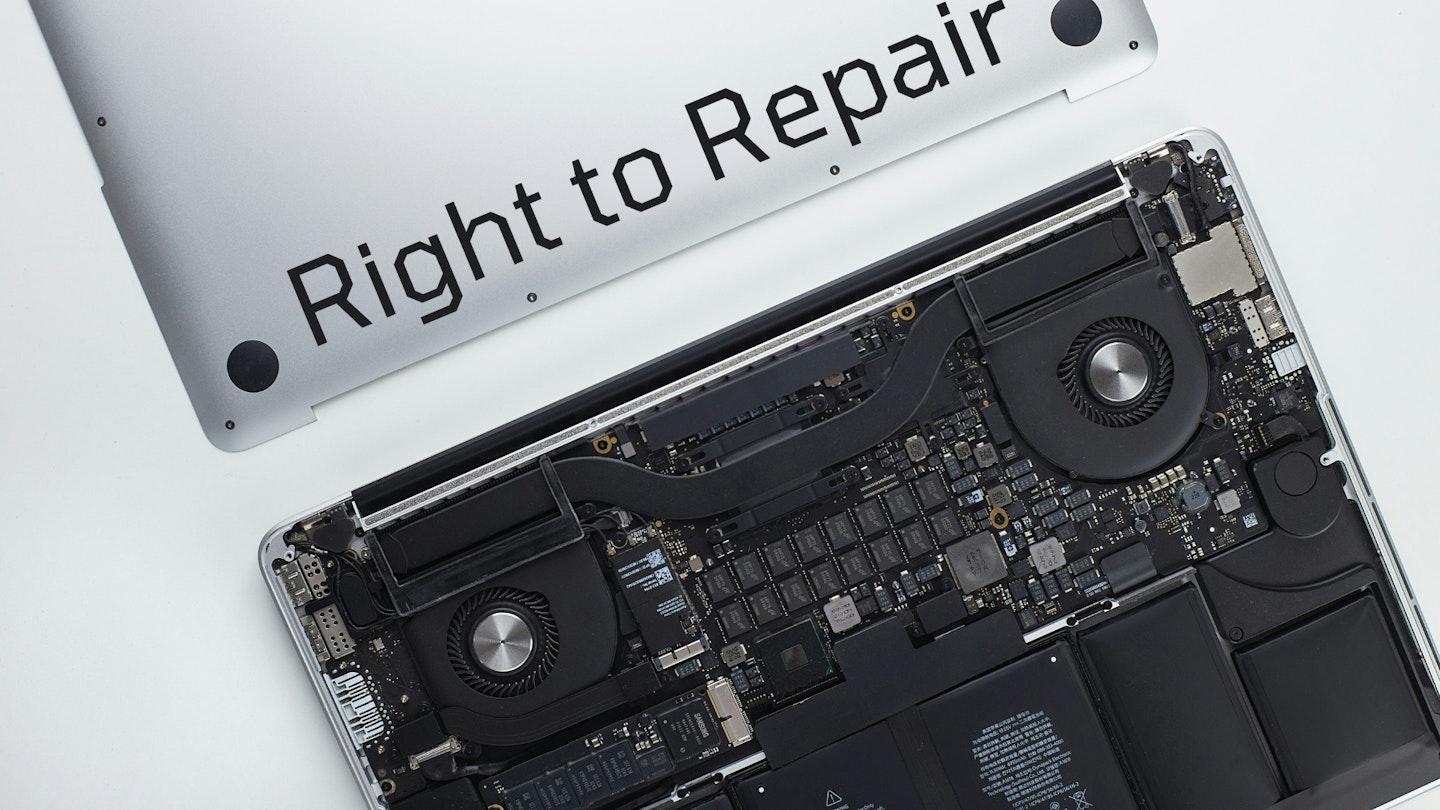
Several countries and states have enacted laws and regulations that support the right to repair. For example:
Impact on Consumers
The right to repair movement has significant implications for consumers. By providing consumers with access to repair information and tools, they can choose independent repair shops or repair their devices themselves, reducing costs and waste. Additionally, the right to repair can empower consumers to make informed purchasing decisions, choosing products that are designed to be repairable and sustainable.
Conclusion

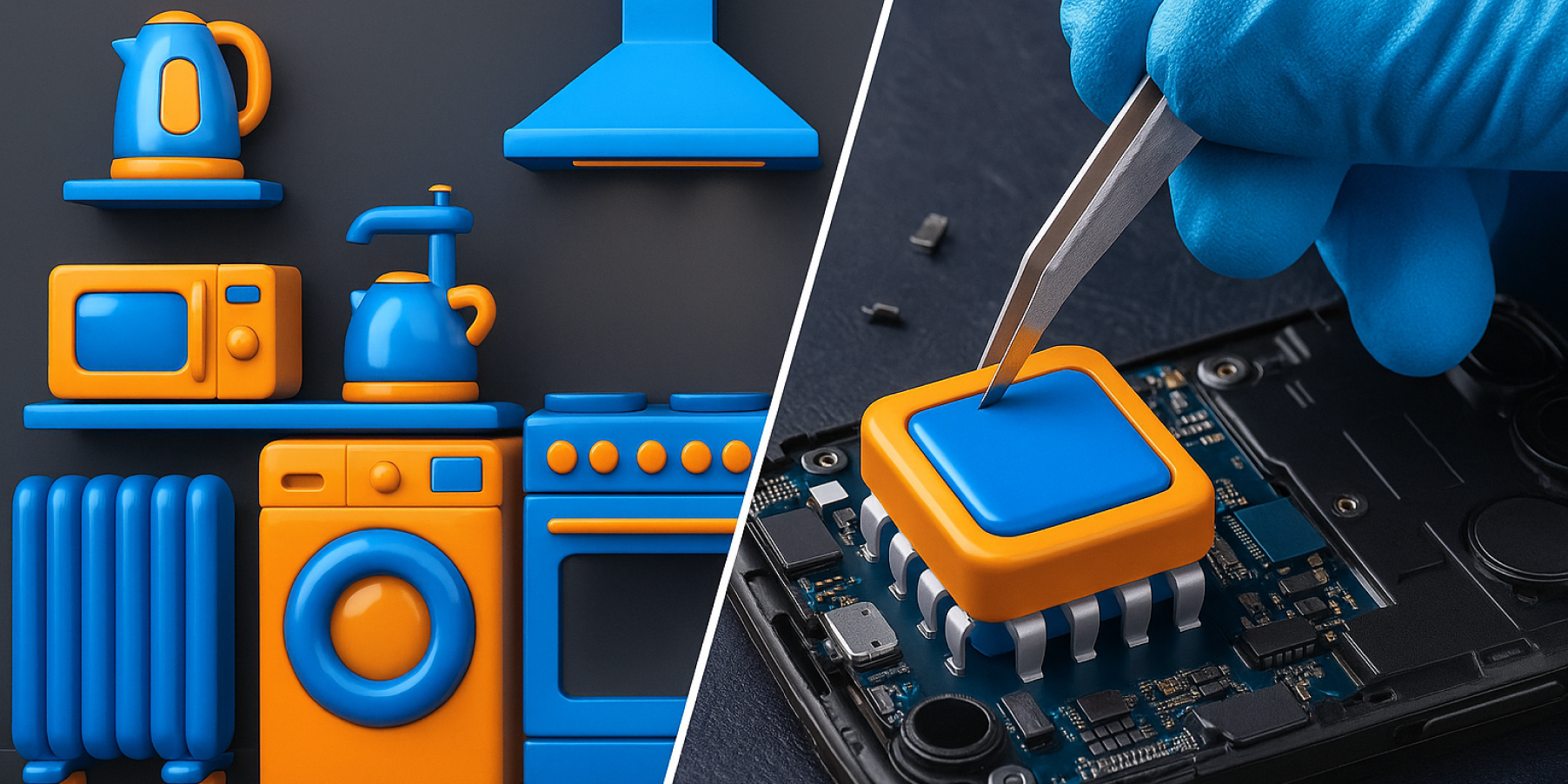
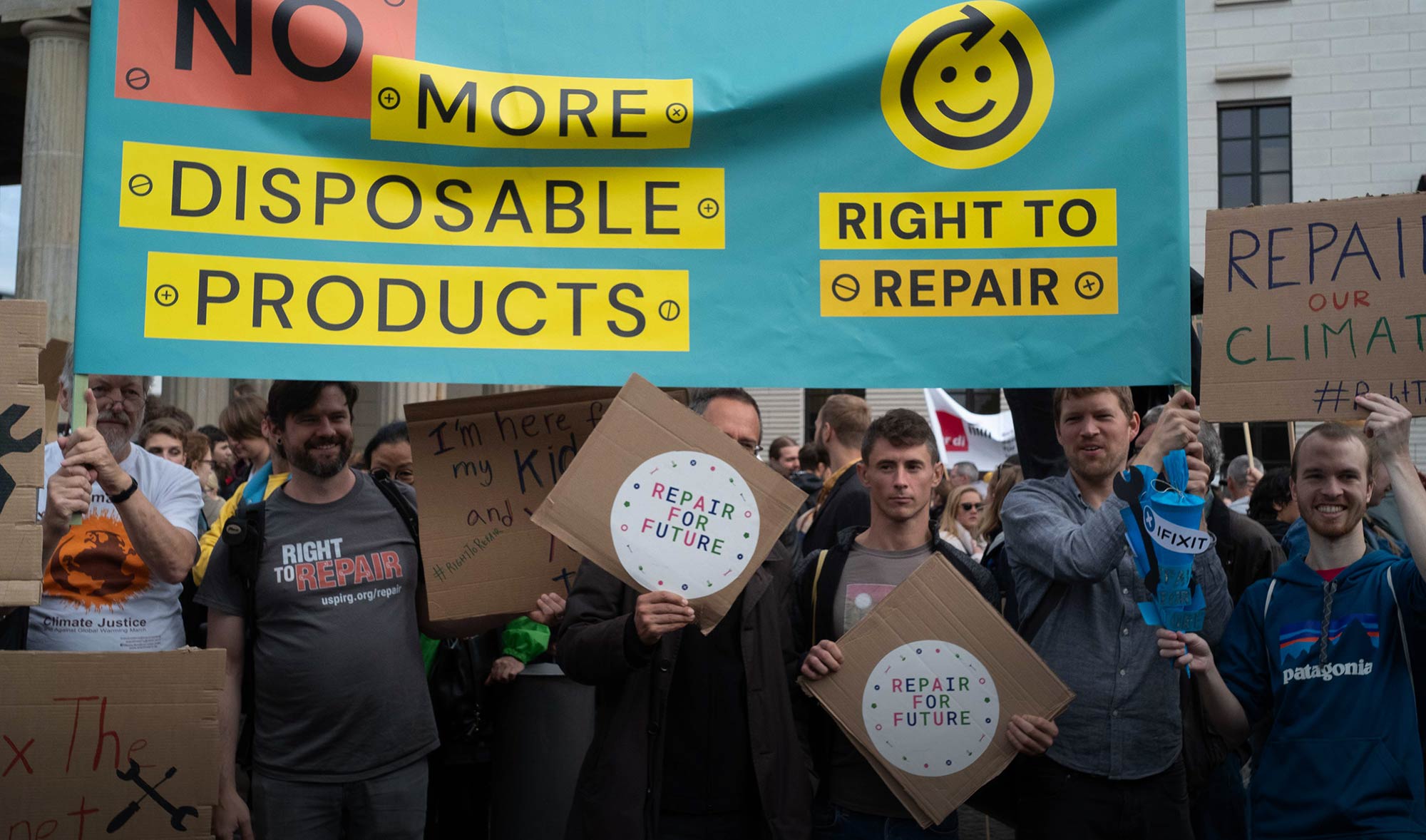
Furthermore, visual representations like the one above help us fully grasp the concept of Right To Repair.
The right to repair is a growing movement that has the potential to transform the way we think about product ownership and sustainability. By supporting the right to repair, consumers and policymakers can promote a more circular economy, reduce waste and pollution, and increase innovation and competition in the repair industry. As the movement continues to gain momentum, it will be exciting to see how the right to repair shapes the future of product design, manufacturing, and ownership.
Getting Involved
For those interested in supporting the right to repair movement, there are several ways to get involved:
- Contact your local representatives and advocate for right to repair legislation in your state or country.
- Join organizations and advocacy groups that support the right to repair movement.
- Support manufacturers that offer repair information and tools to consumers and independent repair shops.