Protect from Online Scams: Staying Safe in the Digital Age
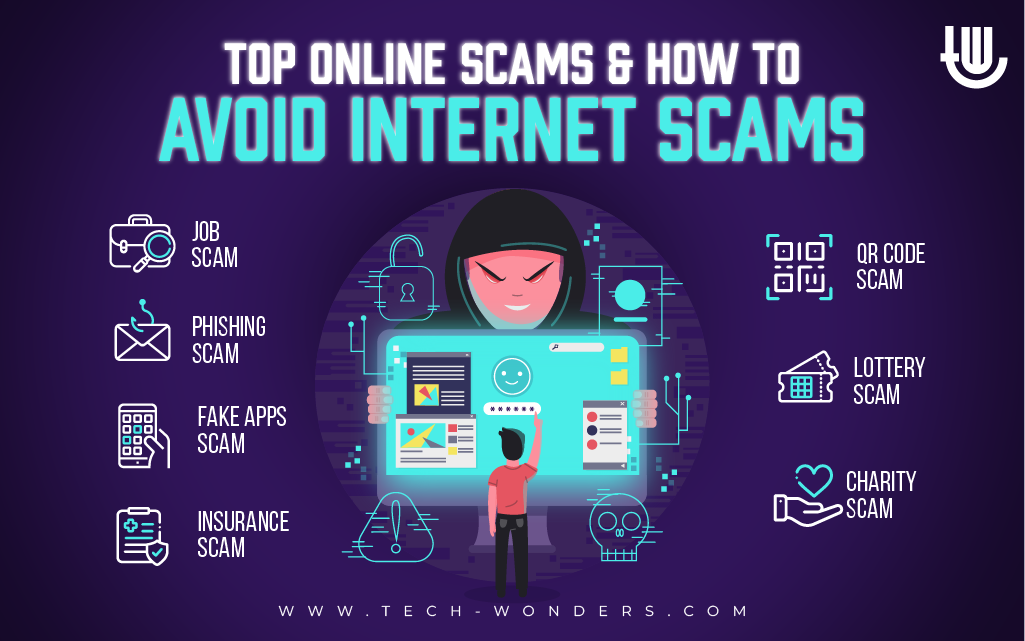
With the rise of the internet and social media, the number of online scams has increased exponentially, putting millions of people at risk of financial loss and identity theft. In this article, we will discuss the latest online scams, provide expert tips on how to protect yourself, and explain the importance of being vigilant in the digital age.
According to the Federal Trade Commission, scammers stole a reported $12.5 billion from Americans in 2024, and this number is likely a fraction of actual losses due to underreporting. The same report highlights the increasing use of sophisticated tactics, including AI and deepfake technology, to trick victims into divulging sensitive information.
Phishing: The Most Common Form of Online Scam
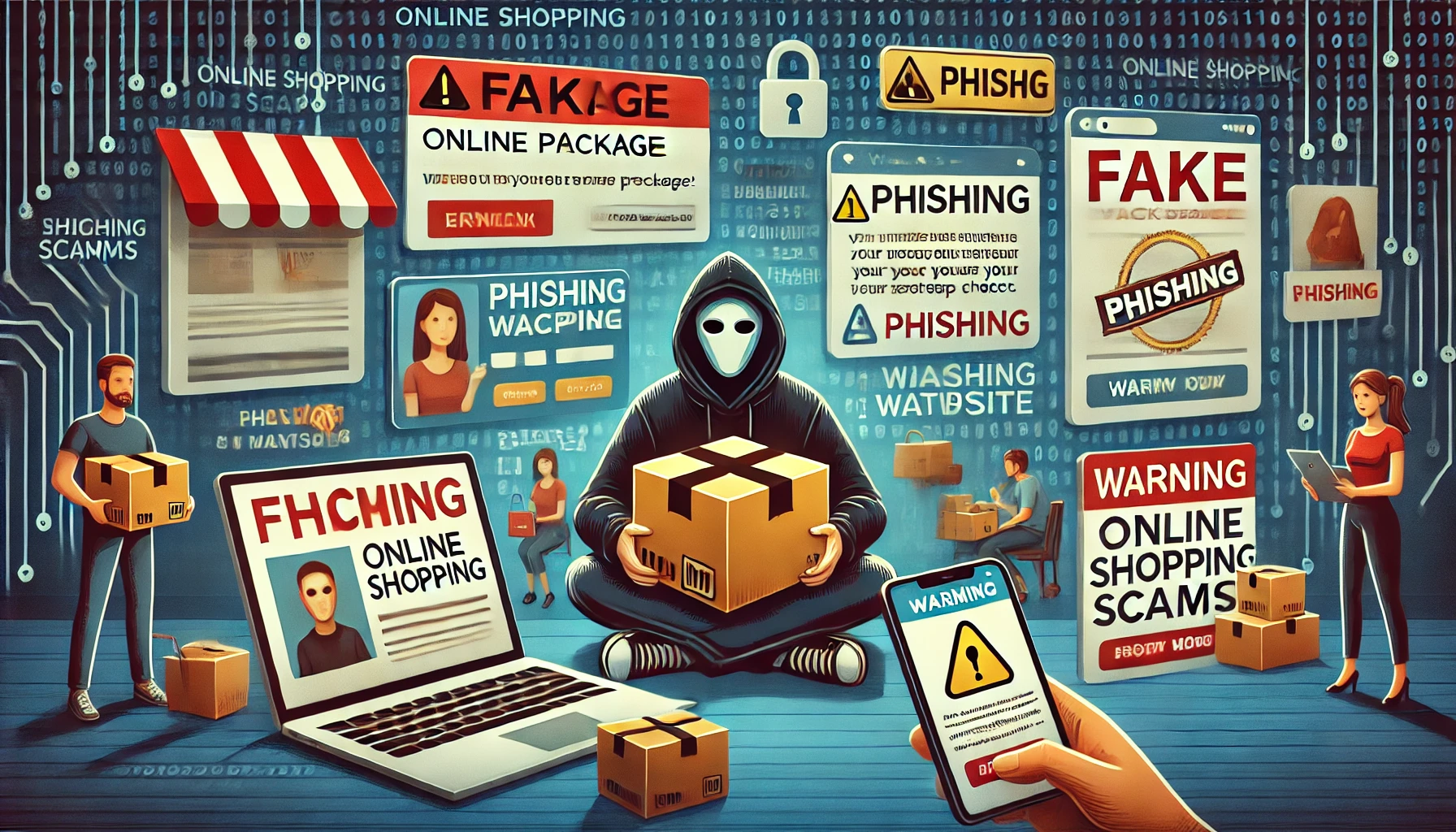
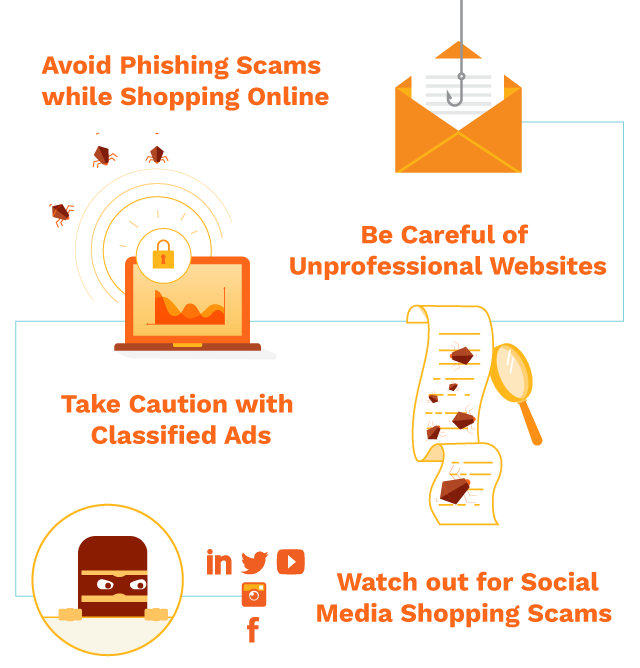
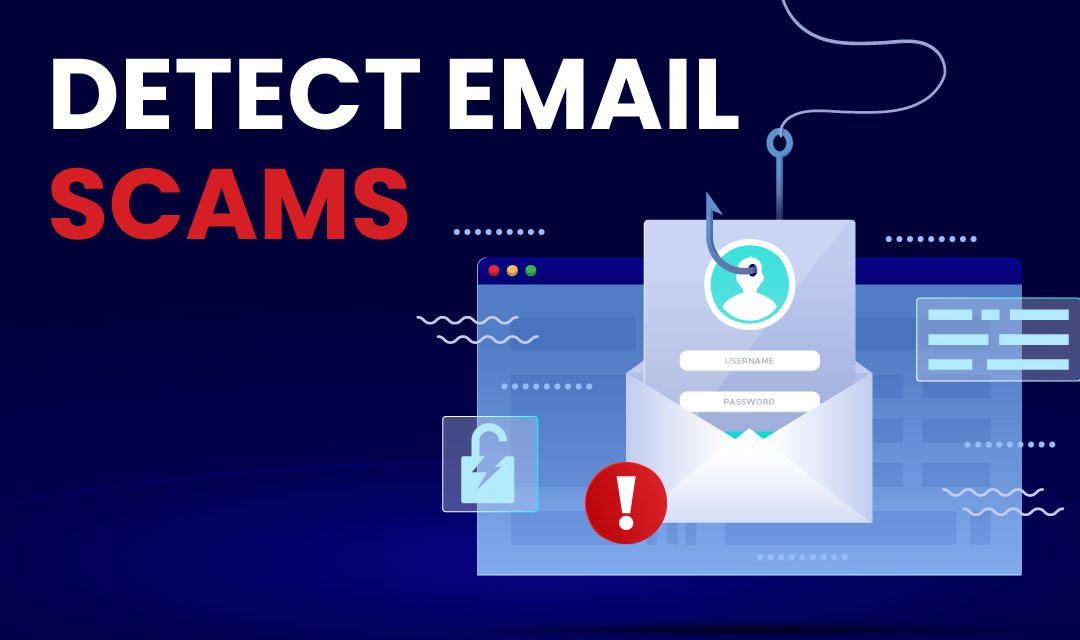
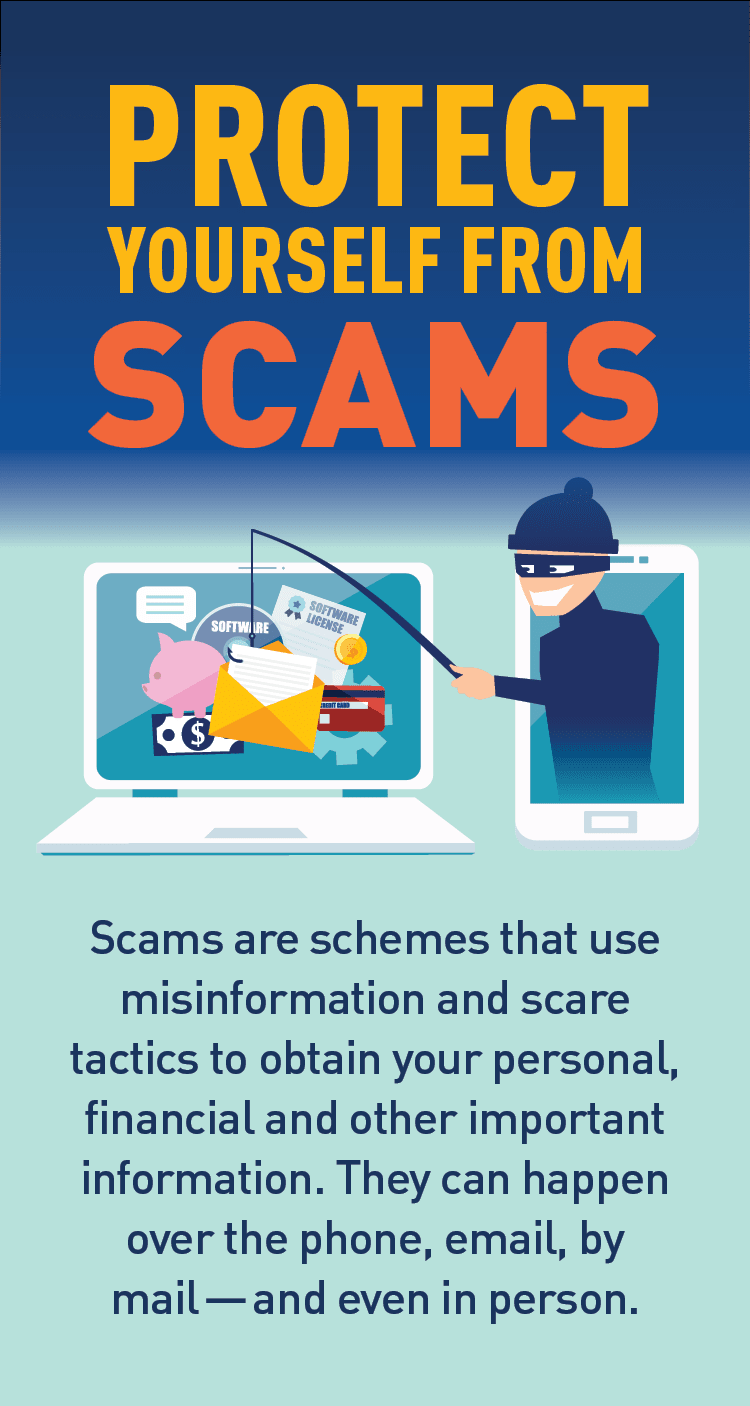
Phishing is a technique where scammers trick victims into revealing sensitive information, such as passwords, credit card numbers, or Social Security numbers, through emails, texts, or websites that appear legitimate. The scammer's goal is to get you to click on a link or download a file that compromises your device's security or reveals your sensitive information.
Protect from Online Scams: Proven Strategies
Identifying and Avoiding Scams
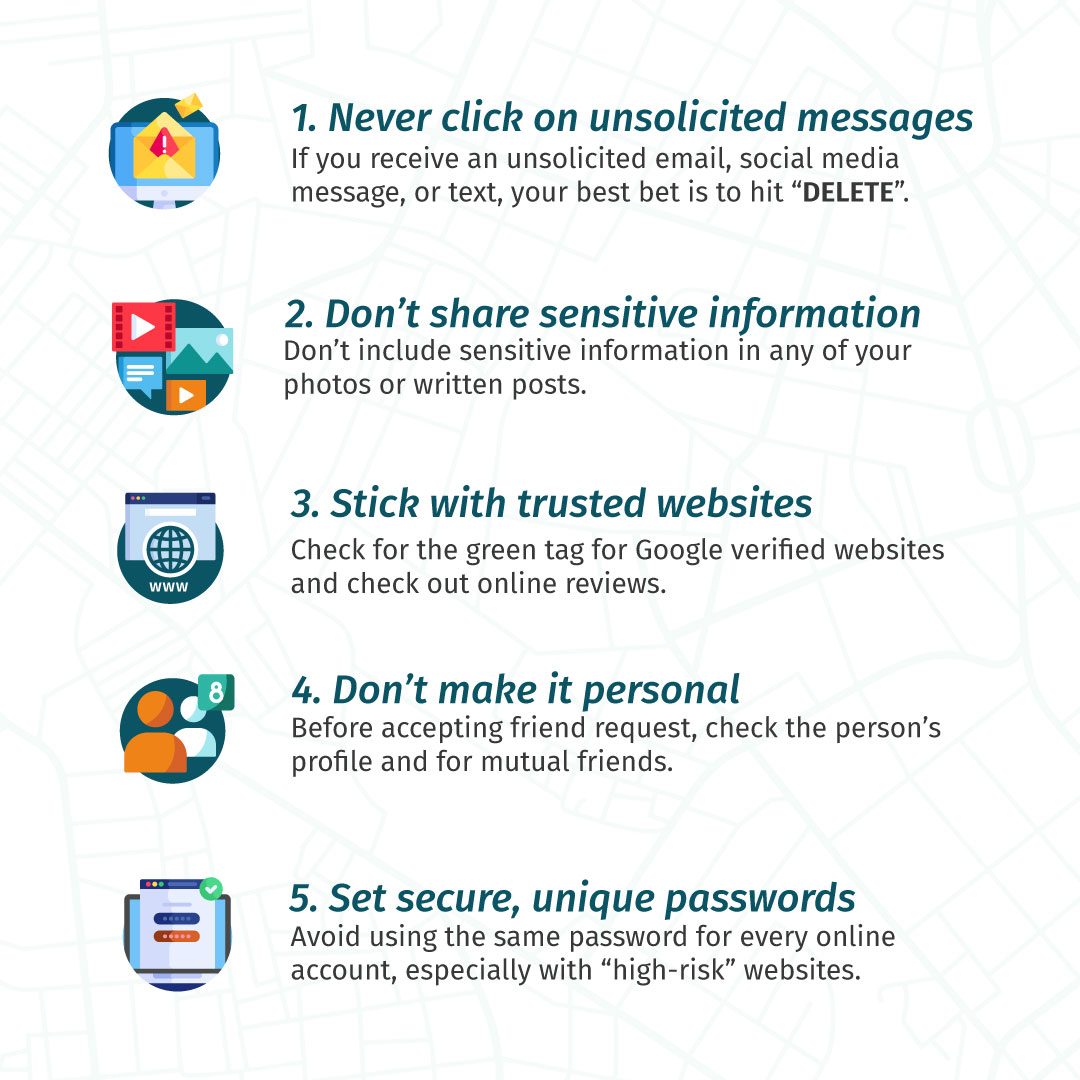
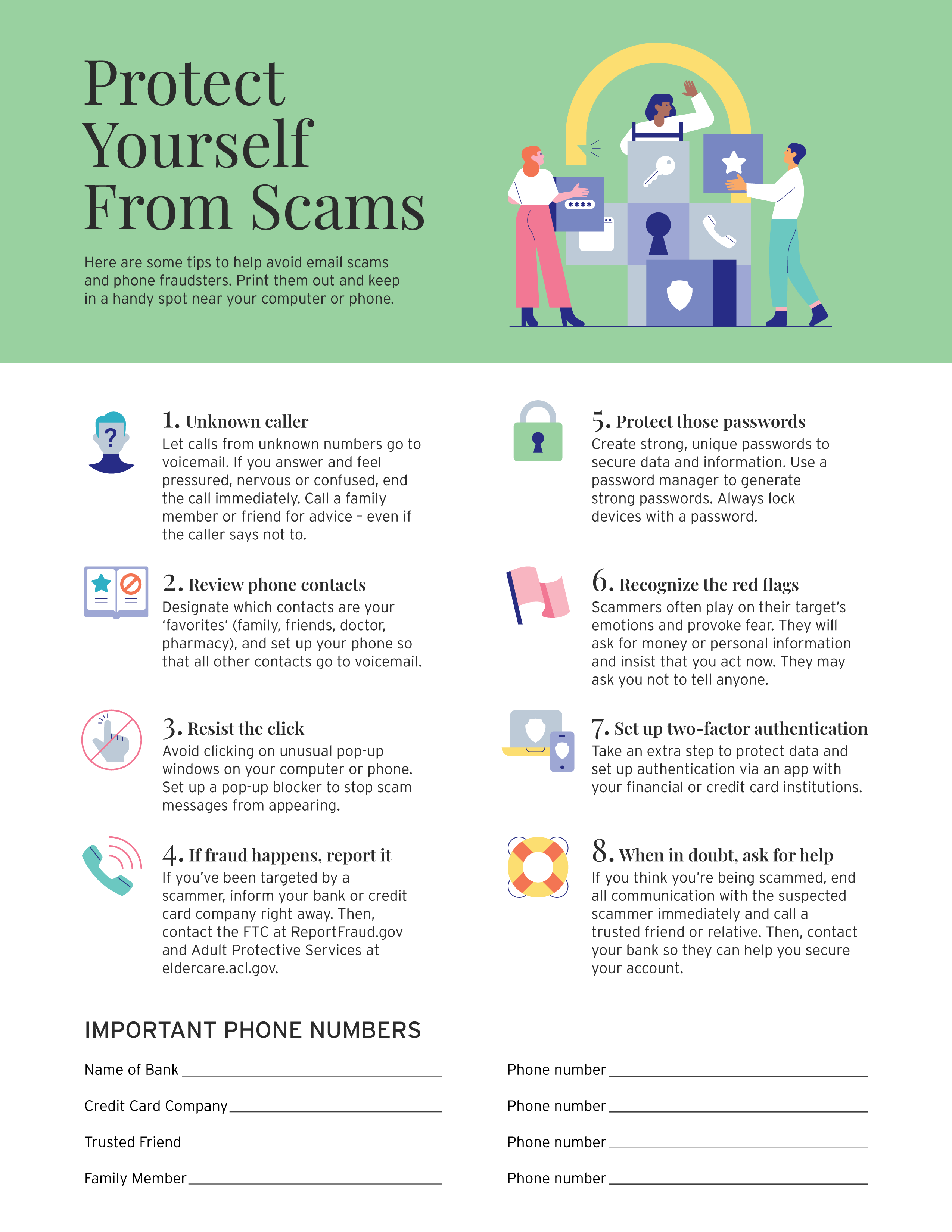
Scammers often use tactics like urgency, promises of easy money, or threats to scare victims into divulging sensitive information. Be cautious of suspicious emails, texts, or websites, and never provide sensitive information unless you are certain of the authenticity of the request.
Protecting Your Identity

Identity theft is a serious crime that can have long-lasting consequences. Use the following tips to protect yourself from identity theft:
-
Monitor Your Credit Reports
Regularly check your credit reports to ensure there are no suspicious activities or unauthorized changes.
-
Use Secure Networks
Use secure public Wi-Fi networks or the most private network when accessing sensitive information.
-
Be Cautious With Public Wi-Fi
Be cautious when using public Wi-Fi networks, and avoid accessing sensitive information while connected to unknown networks.
Conclusion
Protecting yourself from online scams requires vigilance, awareness, and a proactive approach to online security. By following the expert tips outlined in this article, you can significantly reduce the risk of falling victim to online scams and identity theft.
Get Help and Support
-
U.S. Federal Trade Commission
The FTC can help you create a recovery plan and build cases to stop fraud and protect others.
-
Internet Crime Complaint Center
The ICC can help you report suspicious online activity, scams, or identity concerns.
Stay Safe Online
By staying informed, verifying authenticity, using strong passwords, enabling MFA, using antivirus software, and being cautious of suspicious activity, you can protect yourself from online scams and identity theft. Remember, online security is a shared responsibility, and by working together, we can create a safer online environment for everyone.