The Growing Concern of Digital Fatigue in Children: Causes and Effects
In today's digital age, children are exposed to a plethora of screens from a very young age. From smartphones and tablets to laptops and video games, the screen time of children has increased significantly over the years. According to recent studies, children under 8 years old spend more than two hours a day with screen media, while older kids may log up to nine hours daily. This excessive screen time has led to a growing concern among parents, educators, and healthcare professionals – digital fatigue in children.Causes of Digital Fatigue in Children

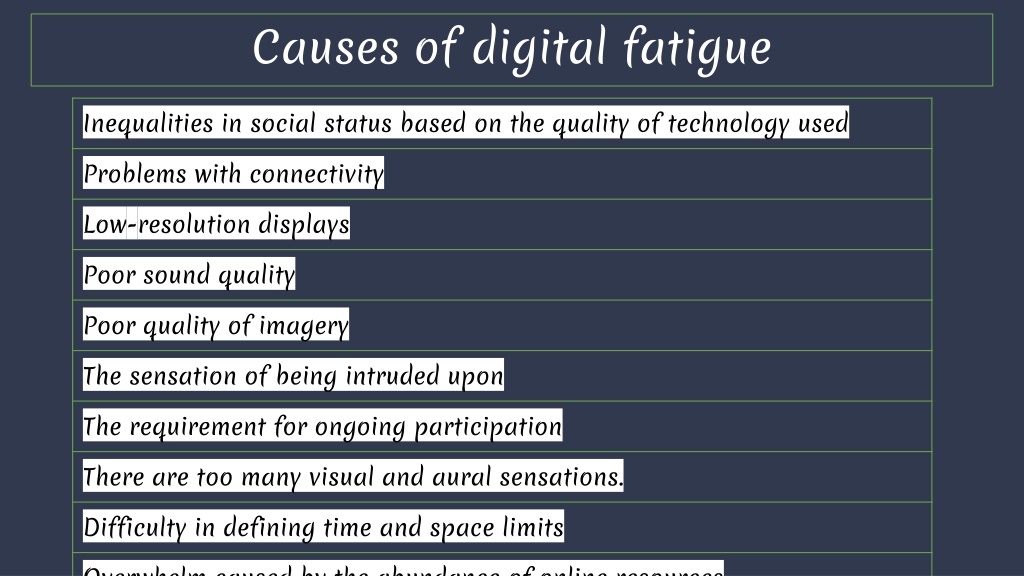
- Excessive screen time**: The more time children spend on screens, the higher the risk of digital fatigue.
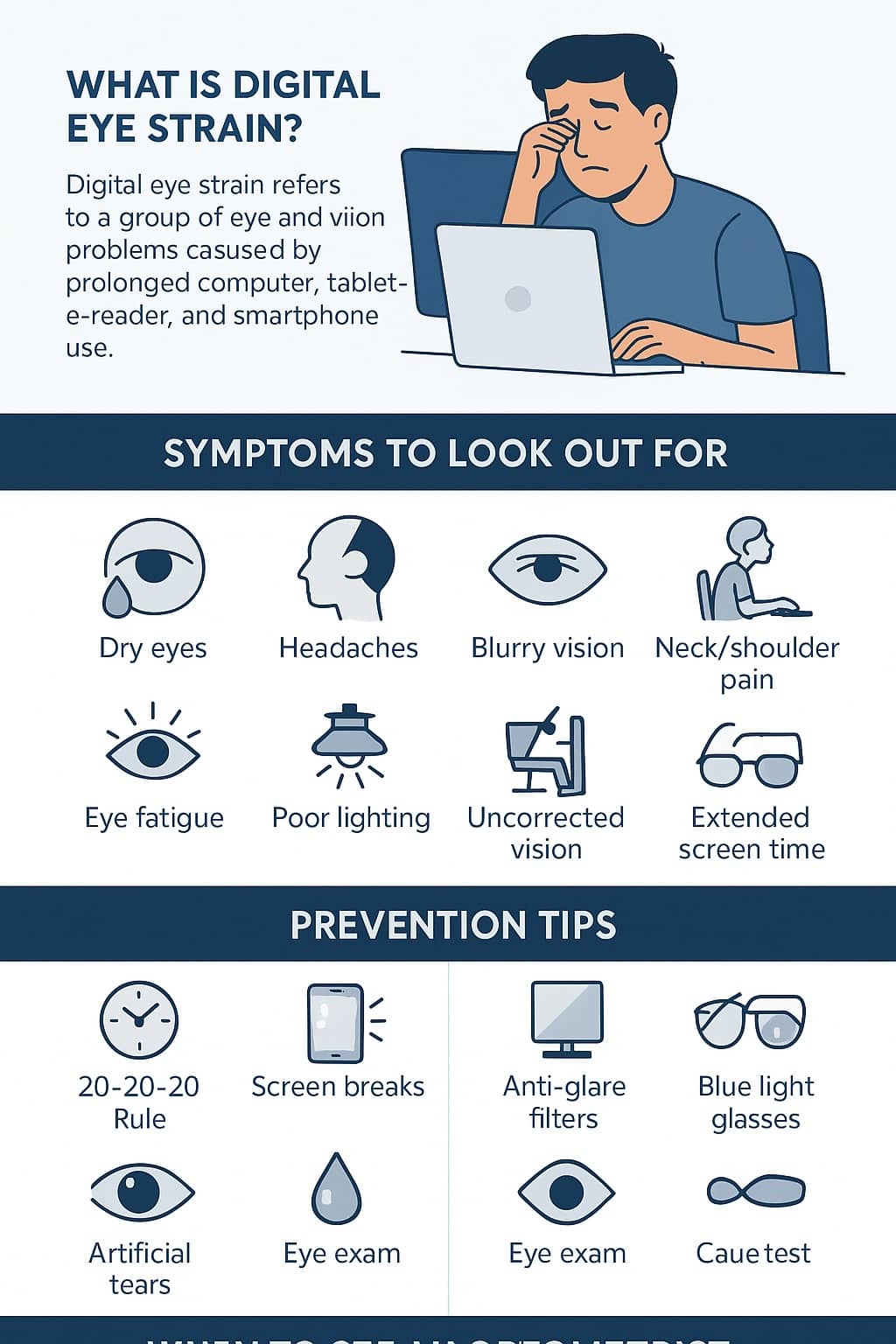
- Poor posture**: Sitting for extended periods with poor posture can lead to physical discomfort, including headaches and eye strain.
- Insufficient physical activity**: A sedentary lifestyle, combined with excessive screen time, can contribute to digital fatigue.
- Blue light emission**: The blue light emitted from digital screens can suppress the production of melatonin, leading to sleep disturbances and fatigue.
- Digital multitasking**: Juggling multiple digital tasks at once can lead to mental fatigue, distraction, and decreased productivity.
- Lack of breaks**: Ignoring the importance of regular breaks and not giving the eyes and brain time to rest can exacerbate digital fatigue.

Effects of Digital Fatigue in Children

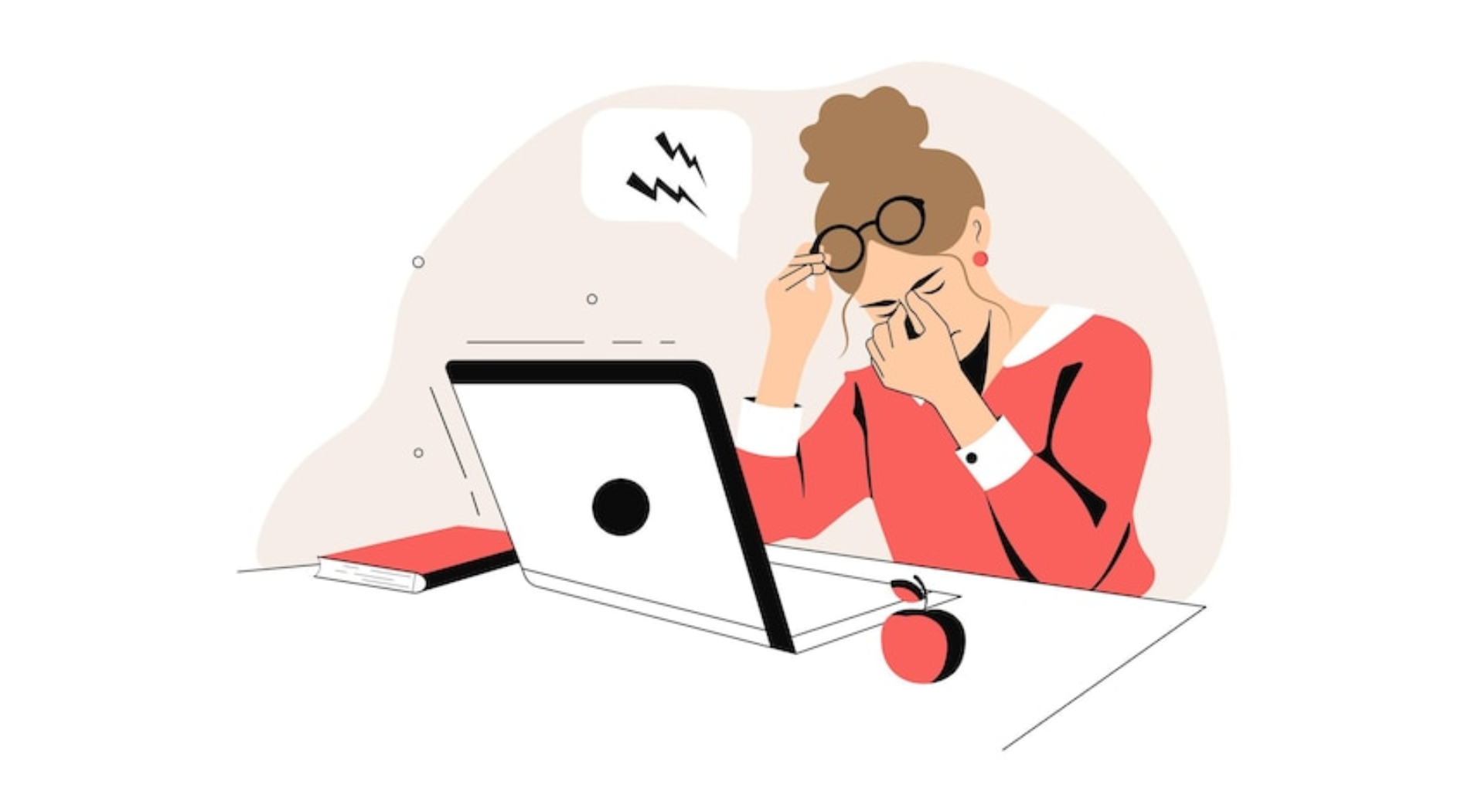
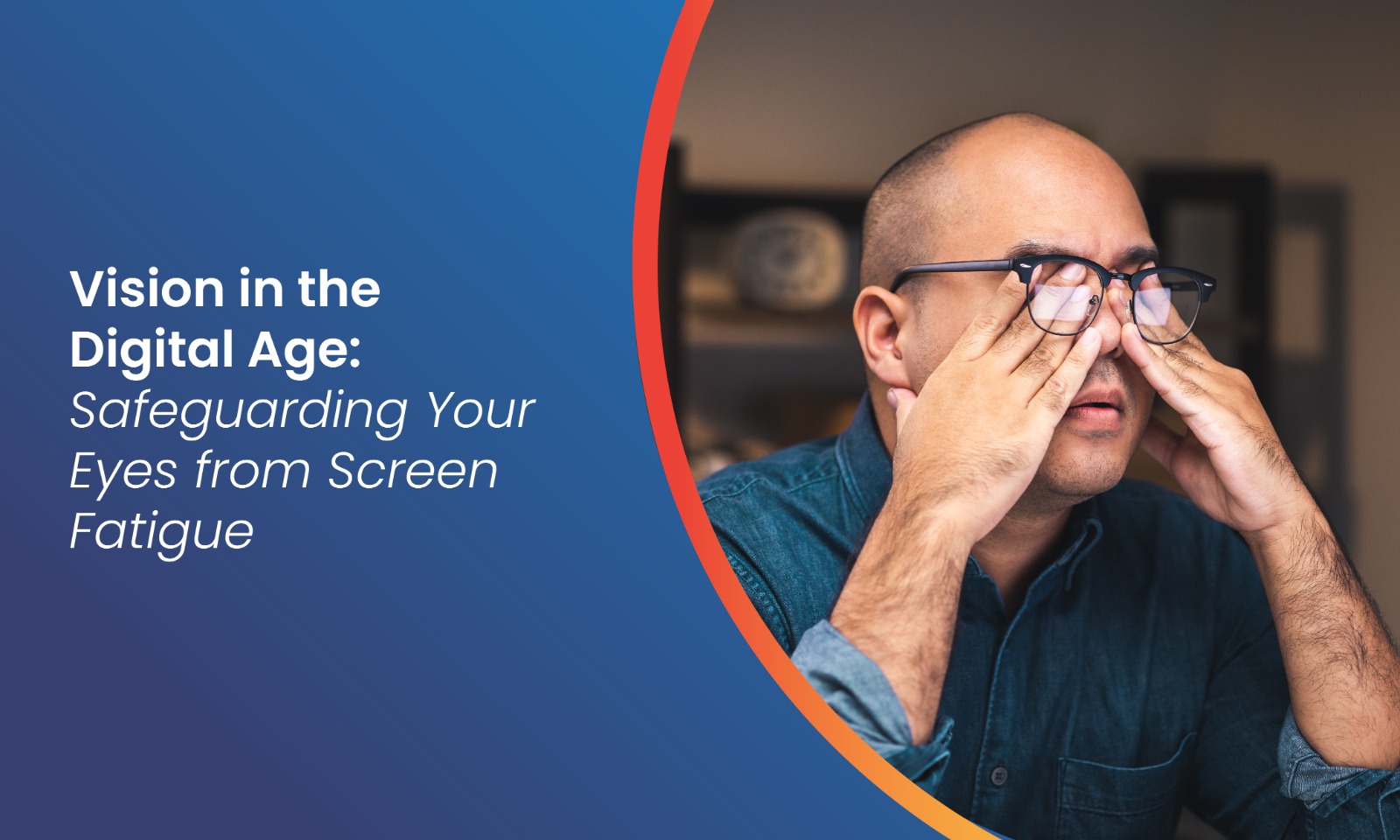
- Headaches and eye strain**: Children may experience frequent headaches and eye strain, which can lead to decreased productivity and concentration.
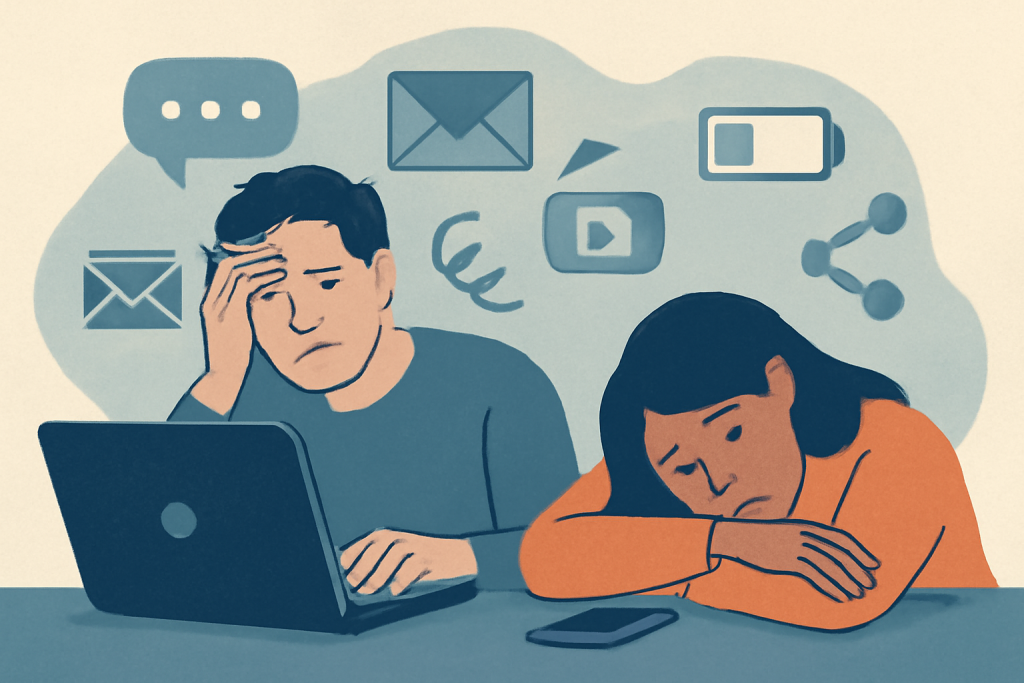
- Mental fatigue**: Digital fatigue can lead to mental exhaustion, decreased motivation, and a lack of enthusiasm for digital activities.
- Social and emotional problems**: Digital fatigue can contribute to social and emotional issues, such as anxiety, depression, and decreased empathy.
- Cognitive impairment**: Excessive screen time and digital fatigue can lead to cognitive impairment, including decreased attention span and memory loss.
Preventing Digital Fatigue in Children
While digital fatigue is a significant concern, there are several steps parents and educators can take to prevent it:- Set screen time limits**: Establishing screen-free zones and times can help reduce excessive screen time.
- Encourage physical activity**: Promoting physical activity and outdoor play can help reduce sedentary behavior and digital fatigue.
- Promote eye breaks**: Encouraging regular eye breaks and giving the eyes and brain time to rest can help reduce digital fatigue.
- Choose screen-free activities**: Engaging in screen-free activities, such as reading, drawing, or puzzles, can help reduce screen time and digital fatigue.
- Monitor and supervise**: Parents and educators should monitor and supervise children's screen time to ensure they are not exceeding recommended limits.